How to Choose a Local DStv Installer in Yzerfontein
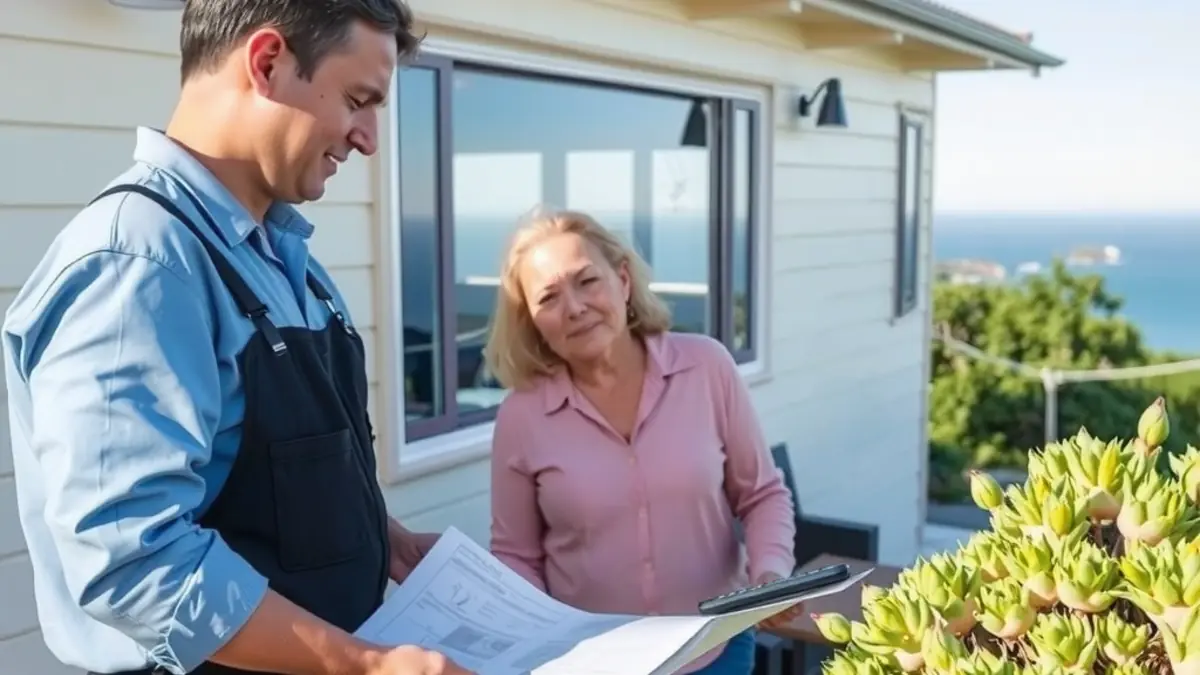
Choosing a local DStv installer in Yzerfontein is easier when you assess the work process rather than relying on a vague promise that the job will be quick. Satellite reception is precise, outdoor hardware faces Atlantic salt and strong wind, and many properties are holiday homes with narrow access windows. The right installer should ask useful questions, explain the scope and test the completed system.
A local service does not have to mean an installer lives on the same street. It means the business genuinely covers Yzerfontein, understands routes and local property conditions, and can plan a realistic appointment. Use the checklist below whether you need a new DStv installation, a repair or an upgrade.
Start with the exact job, not a generic request
Tell the installer what you see and what changed. A blank screen, pixelation in bad weather, a decoder error and a dish that visibly moved are different clues. Include the decoder model, number of viewing points and whether the fault affects every television. This helps the installer arrive with appropriate test equipment and likely replacement parts.
If the issue is intermittent, record when it occurs. Problems after rain can point toward moisture, while deterioration during wind may indicate movement or a marginal alignment. Do not climb onto the roof to investigate. Clear ground-level photographs and screen error details are safer and usually more useful than guesswork.
Look for diagnosis before replacement
A capable installer should not automatically prescribe a new system for every fault. Existing hardware should be inspected for alignment, connector condition, cable damage, secure mounting and signal quality. If the problem belongs under signal repair, the explanation should connect the finding to the recommended part or adjustment.
Ask what testing is performed after the repair. A picture appearing for a few seconds is not enough. The installer should check stable reception, decoder operation and relevant viewing points. Where a dish was moved, measured dish alignment is more dependable than pointing by eye.
Check coastal installation knowledge
Yzerfontein's climate is not a reason for exaggerated claims, but it is a real design consideration. Salt-laden air can accelerate corrosion, winter rain can expose weak sealing, and Cape Doctor winds test loose brackets and unsupported cable. Ask how outdoor connectors are weatherproofed, how cable is secured and why a proposed mounting point is suitable.
Good coastal practice also includes avoiding unnecessary exposed joints and preventing cable from rubbing against sharp edges. The dish needs a clear satellite path, yet the final position should use available shelter where practical. An installer who can explain these trade-offs is more useful than one who offers a rule without seeing the property.
Confirm access, timing and communication
Holiday homes create practical complications. The owner may be in Cape Town, the keys may be with an agent, and the guest arrival time may be fixed. Confirm who will provide access, whether an adult must remain on site and how additional work will be approved. A written message summarising the appointment reduces confusion.
Ask for a realistic arrival window and whether travel to Darling, Grotto Bay or properties near the R27 affects scheduling. Local coverage should be stated clearly. If the work is a move rather than a fault, request the relocation or reconnection service and explain whether equipment must be removed from another address.
Evaluate specialist services separately
A provider who installs one decoder may not automatically be the best fit for a communal system, a business venue or an integrated network. Complex work requires a clearer survey and design. For a body corporate or shared property, ask specifically about communal complex DStv rather than treating the building as a large house.
For streaming features, smart televisions and remote work, ask whether the team handles WiFi and fibre cabling. Satellite and network tasks should still be diagnosed separately. This prevents a weak WiFi connection from being mistaken for a satellite problem, and it keeps responsibilities clear.
Red flags worth taking seriously
Be cautious if an installer refuses to describe what is included, insists on replacing everything before testing, or cannot explain a changed price. Also avoid unsafe access methods and pressure to approve work immediately. A professional can identify uncertainty without hiding it and will ask before expanding the agreed scope.
Online reviews can offer context, but they should not replace direct checks. Reviews may be old, incomplete or unrelated to the service you need. Focus on a current written quotation, clear contact details, appropriate experience and a process for reporting a problem after the visit.
- No clear breakdown of labour and materials.
- No questions about decoder model or property access.
- A promise of perfect reception without testing.
- Unexplained cash-only pressure or changing terms.
- A refusal to document additional work.
Questions to ask before confirming
Ask what the call-out covers, which parts are likely, whether pricing can change after inspection and how approval will be obtained. Confirm that the installer will tune or configure the decoder, test all included points and leave the work area tidy. If cables will be visible, agree on the route before drilling begins.
For managed properties, request a completion note with photographs of relevant work. This does not need to be elaborate. A view of the secured dish, cable entry and working television can help an absent owner understand what was completed and gives the property manager a useful record.
Match the installer to the property type
A single home, rental portfolio, restaurant and shared complex create different obligations. Ask for relevant process experience rather than unverifiable claims about being the best. The installer should recognise when a survey, access permission or coordination with another trade is necessary.
For a new owner, ask for a basic handover after the work. Knowing the decoder model, cable route and correct television input reduces avoidable support calls. For a rental manager, a short written operating note is often more useful than a long technical explanation.
Frequently asked questions about choosing an installer
Why choose an installer familiar with Yzerfontein?
Local familiarity can improve route planning and helps the installer account for exposed coastal properties, seasonal occupancy and access arrangements.
What details should I send before the appointment?
Send the address, decoder model, error message, number of televisions, access notes and clear photographs of the dish and connections where safe.
Should an installer provide a written quote?
For defined work, a written scope and price are valuable. Fault finding may require an initial diagnostic fee followed by approval for parts.
How do I know a repair has worked?
The installer should test signal stability, decoder operation and all viewing points included in the job, not merely confirm that a picture appears.
Can one installer handle DStv and home networking?
Some can, but confirm the specific capability and ask for separate diagnosis and pricing for satellite and network work.
Choose clarity over sales language
The best local installer for your property is the one whose process fits the job. Clear questions, safe access planning, measured testing and documented scope matter more than an unsupported claim to be the fastest or cheapest.
Describe the problem accurately, compare like-for-like quotations and agree on how changes will be authorised. Those simple checks improve the chance of a neat, durable result in a permanent home, rental or West Coast holiday property.