DStv Installation Cost in Yzerfontein: A Practical 2026 Guide
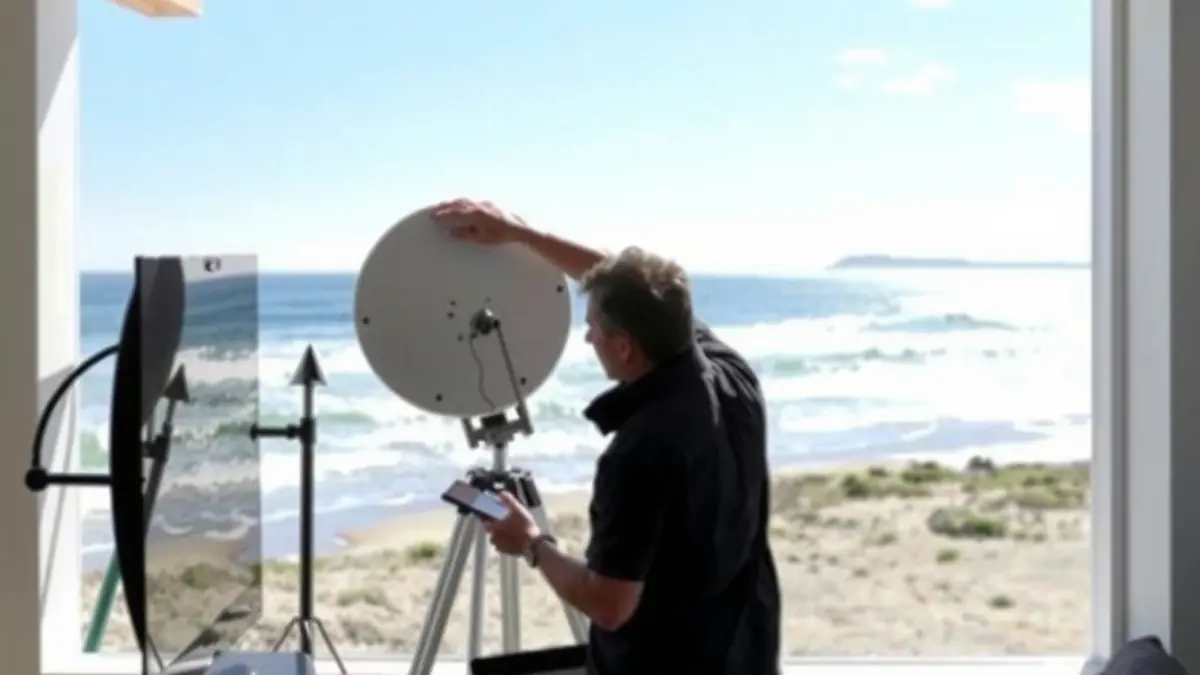
The cost of a DStv installation in Yzerfontein depends on more than the decoder selected at the shop. The condition of the existing dish, cable route, roof access, number of viewing points and coastal exposure all affect the work required. A straightforward decoder connection at an established home is not the same job as a new dish installation at a holiday house near the Atlantic, or a multi-room setup that must be integrated with an existing network.
This guide explains the cost drivers without inventing a one-price-fits-all figure. It will help homeowners, landlords and property managers compare quotations on the same basis. For an accurate amount, the installer still needs the address, equipment details and a clear description of the property. If there is no existing system, start with the requirements for a new DStv installation and ask for an itemised quote.
Why fixed online prices can be misleading
A low advertised price may cover labour only, a basic cable length or a decoder connection to a compliant existing dish. It may exclude the dish, LNB, brackets, connectors, travel, difficult access and fault finding. Another quote may look higher because it includes the full scope. The useful comparison is therefore not the headline amount, but what will be supplied, installed, tested and guaranteed.
Yzerfontein properties vary widely. Some are compact permanent homes, while others are multi-level holiday houses designed around sea views. A dish may be on a sheltered wall, a high roof or an exposed gable. Each position changes access time, mounting requirements and cable length. An installer should confirm these factors before presenting the final price.
- Ask whether the dish, LNB, bracket and cable are included.
- Confirm how many decoder and television points are covered.
- Check whether roof access or a long cable run changes the labour charge.
- Request separate prices for optional work so that comparisons remain fair.
The main components that shape the quote
A complete system can include a decoder, satellite dish, LNB, suitable bracket, coaxial cable, weatherproof connectors and labour. The decoder package determines the signal configuration needed. An Explora or Ultra installation may require different planning from a simple single-view decoder, especially when recording, streaming and home networking are part of the brief. The Explora and Ultra installation service is the relevant starting point for those setups.
Cable condition matters as much as cable length. Reusing a sound route can save time, but corroded connectors, brittle outdoor cable or poorly joined sections can create repeat faults. Along the West Coast, Atlantic salt and wind-driven rain make good sealing and sensible cable support important. Paying to retain visibly deteriorated cable is rarely good value.
New installation, repair or realignment
First establish what the property actually needs. A system with a healthy dish and an intermittent picture may need diagnosis rather than replacement. A dish that shifted after strong wind may only need measured satellite dish alignment, provided the bracket and fasteners remain sound. A no-signal complaint caused by damaged cable, moisture or a failing LNB belongs under DStv signal repairs.
This distinction prevents unnecessary equipment costs. It also makes the quotation easier to assess. A professional quote should identify whether existing parts are being reused and why. If the installer cannot inspect first, send clear photographs of the dish, bracket, decoder connections and cable route, plus the exact error message displayed on screen.
How roof access and mounting affect labour
Safe access is part of the job, not an afterthought. High roofs, steep pitches, fragile surfaces and restricted side access can require additional time or a different mounting position. The cheapest place to attach a dish is not always the position that will remain stable in Cape Doctor winds. A sheltered, structurally sound mounting point with a clear satellite view is usually preferable to the most visually obvious spot.
Discuss appearance before work begins. If owners or a body corporate restrict visible dishes, the installer may need to test an alternative wall, route cable through a service duct or coordinate approval. These choices can change both materials and labour, so they should be settled before the appointment rather than while tools are already on site.
Extra viewing points and related work
The price increases when one appointment includes several systems. XtraView requires compatible equipment, correct signal distribution and a working link between decoders. Ask for XtraView setup as a separate line item so that the primary installation and secondary viewing arrangement are clear.
Television positioning can add brackets, trunking, longer HDMI leads and wall type considerations. A neat TV wall mounting job should account for secure fixing, power location, viewing height and cable concealment. Internet-dependent viewing also benefits from checking the router position, but network upgrades should be quoted separately rather than quietly bundled into satellite work.
A quote checklist for Yzerfontein homes
Give the installer enough information to price accurately: the address or area, property type, number of floors, decoder model, number of televisions, existing dish condition and preferred cable finish. Mention if the home is usually locked, occupied only in season or managed remotely. Access arrangements can otherwise become an avoidable second visit.
Ask what happens if testing reveals a different fault. A sensible process is to approve the original scope, then require permission before additional parts are fitted. Keep the old parts if you want to inspect them, and request a short explanation of the readings or fault found. This protects both customer and installer from misunderstandings.
- Provide photographs before the visit when possible.
- Confirm the call-out and diagnostic terms.
- Ask for brand and specification of major parts.
- Check payment terms and proof of work completed.
- Do not approve optional additions that have not been explained.
Consider lifetime value, not only day-one price
An installation should be judged by whether it remains secure, serviceable and easy to diagnose. A slightly longer protected cable route or a stronger mounting choice may make sense if it reduces exposure. Equally, expensive replacement is not justified when measured testing shows that sound existing equipment can be retained.
Keep the itemised invoice and photographs with the property file. Future technicians can then see which parts were installed, when the work was done and how the route was intended to function. This record is especially valuable when a holiday home changes manager or owner.
Frequently asked questions about installation costs
Can I get an exact DStv installation price by phone?
Sometimes, if the scope is simple and the existing system is known. New sites, damaged systems and difficult roof access are priced more reliably after photographs or an inspection.
Does the decoder purchase include installation?
Not always. Retail packages and promotions differ, so confirm exactly what installation, equipment and travel are included before buying.
Will coastal corrosion increase the price?
It can if brackets, connectors, cable or the LNB need replacement. Proper weatherproofing may cost more initially but helps reduce repeat faults.
Is dish realignment cheaper than replacement?
Usually, when the dish, bracket and LNB are still serviceable. Testing should determine whether alignment alone will solve the problem.
Should I accept the cheapest quotation?
Compare scope, materials, access assumptions and testing, not price alone. A cheaper quote that omits necessary parts may cost more after additions.
Budget for the complete job
A useful Yzerfontein installation quote is specific, itemised and based on the property rather than a generic promise. It should separate essential satellite work from optional multi-room, mounting or network improvements. That gives you control over the budget and a clear record of what was agreed.
Before booking, gather decoder details, photographs and access information. Ask the installer to confirm the included parts, cable allowance, testing and any conditions that could change the amount. Clear information at the start is the simplest way to avoid surprises at the end.